


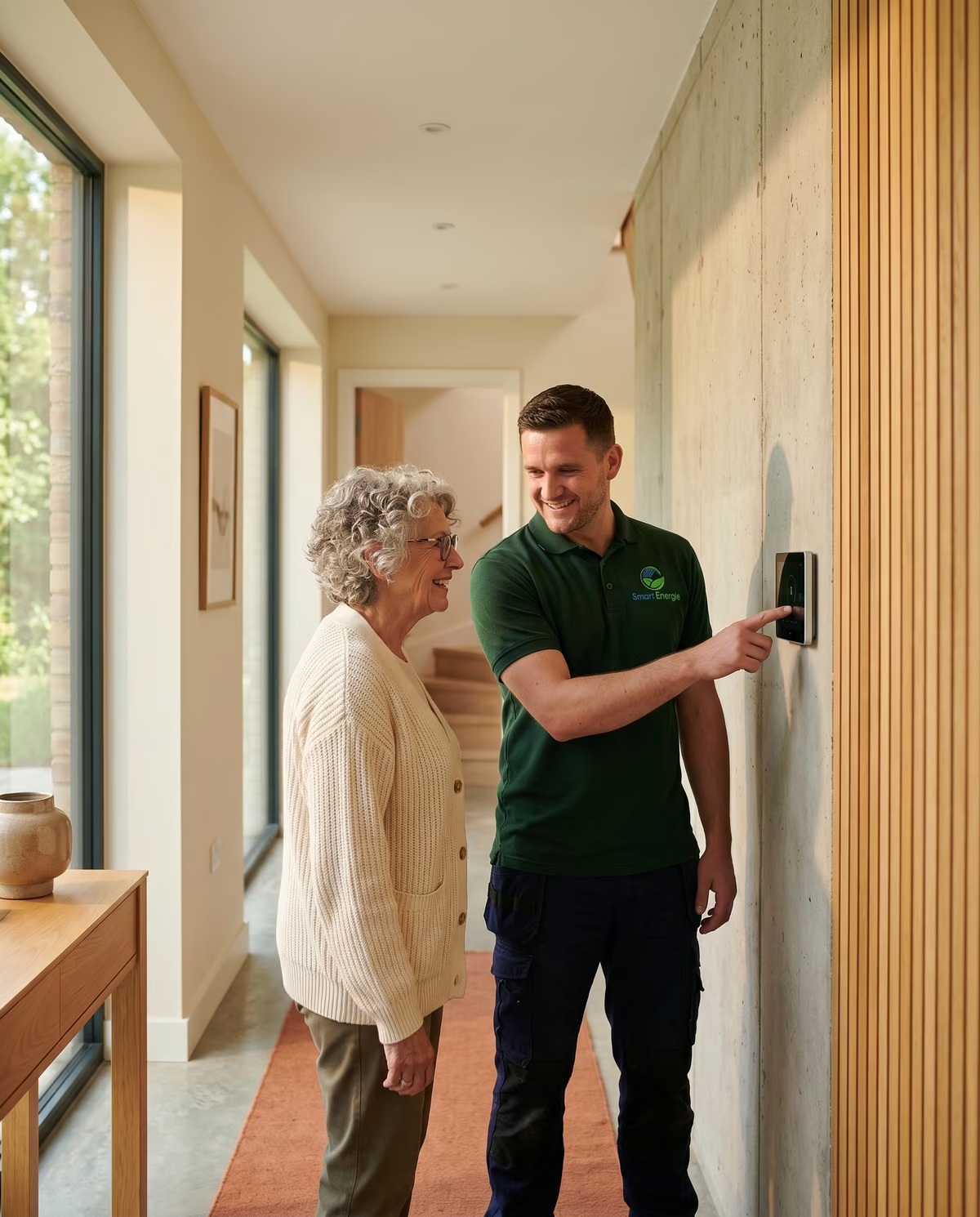
Underfloor Heating — service hero

Service

Underfloor Heating

Wet and electric underfloor heating systems — ideal companions to heat pumps, new builds, and extensions that deserve even, comfortable warmth.

BPECWRASManufacturer Approved

Why this matters

Cold feet on tiles, uneven room temperatures, and radiators eating wall space

Underfloor heating delivers gentle, even warmth from the ground up — no radiators dominating walls, no cold pockets by the window. It is the ideal emitter for a heat pump, and the obvious choice for new builds, extensions, and renovated kitchens or bathrooms. But the quality of the install is everything: poor pipe spacing, inadequate insulation below, or wrong flow temperatures will leave you with a system that never feels quite right.

What you get

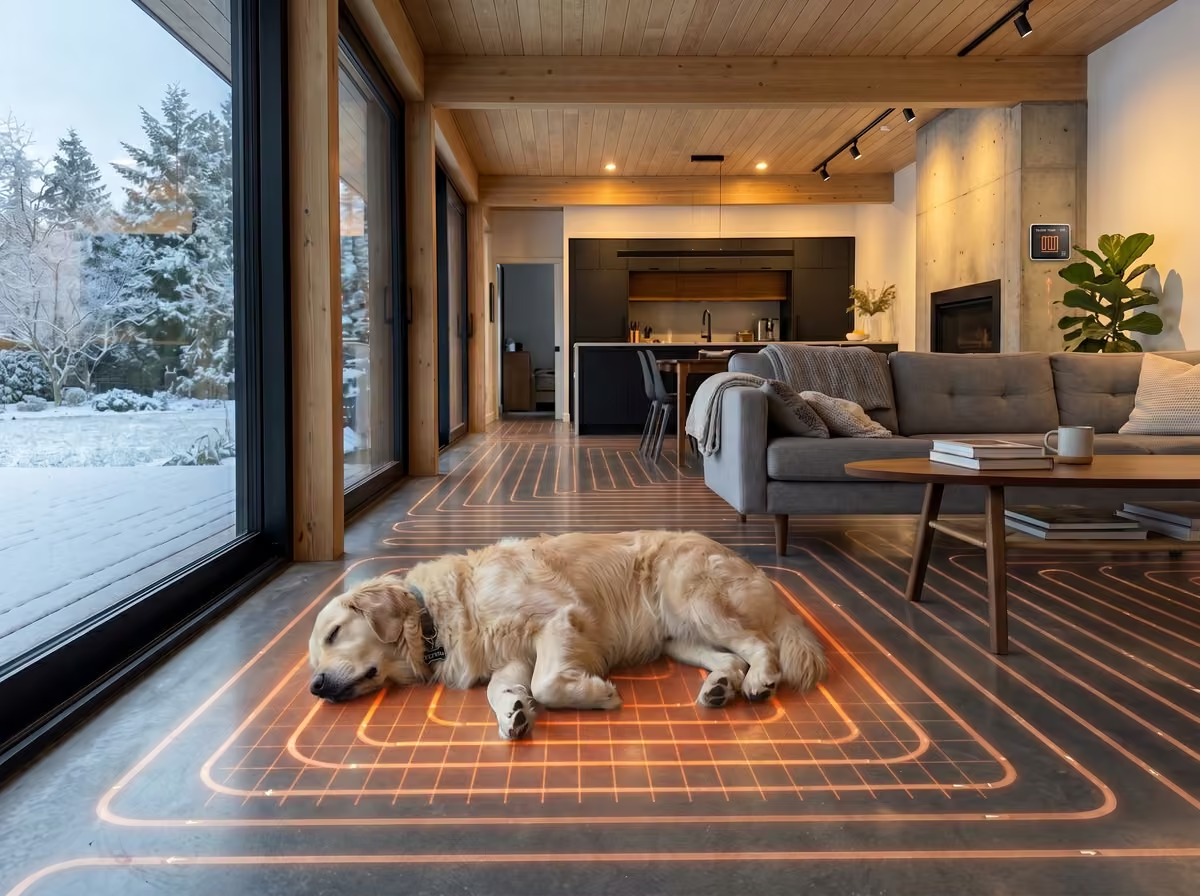
Even, radiant warmth that works beautifully with modern heating systems

  • Zoned control by room so unused rooms cost nothing to heat

  • Ideal partner for a heat pump — low flow temperatures, high emitter surface area, quiet operation

  • Properly insulated beneath the pipes so heat goes up, not down

  • Fully commissioned with balancing, flow rates, and thermal imaging as standard

Our approach

Wet and electric systems designed for your flooring and heat source

We design underfloor heating as an emitter system first — meaning we calculate room heat loss, size pipe spacing accordingly, and specify insulation below the pipes. Everything downstream of that is straightforward. Everything upstream of that is what determines whether your floor actually feels warm.

Wet UFH — the efficient choice for whole rooms

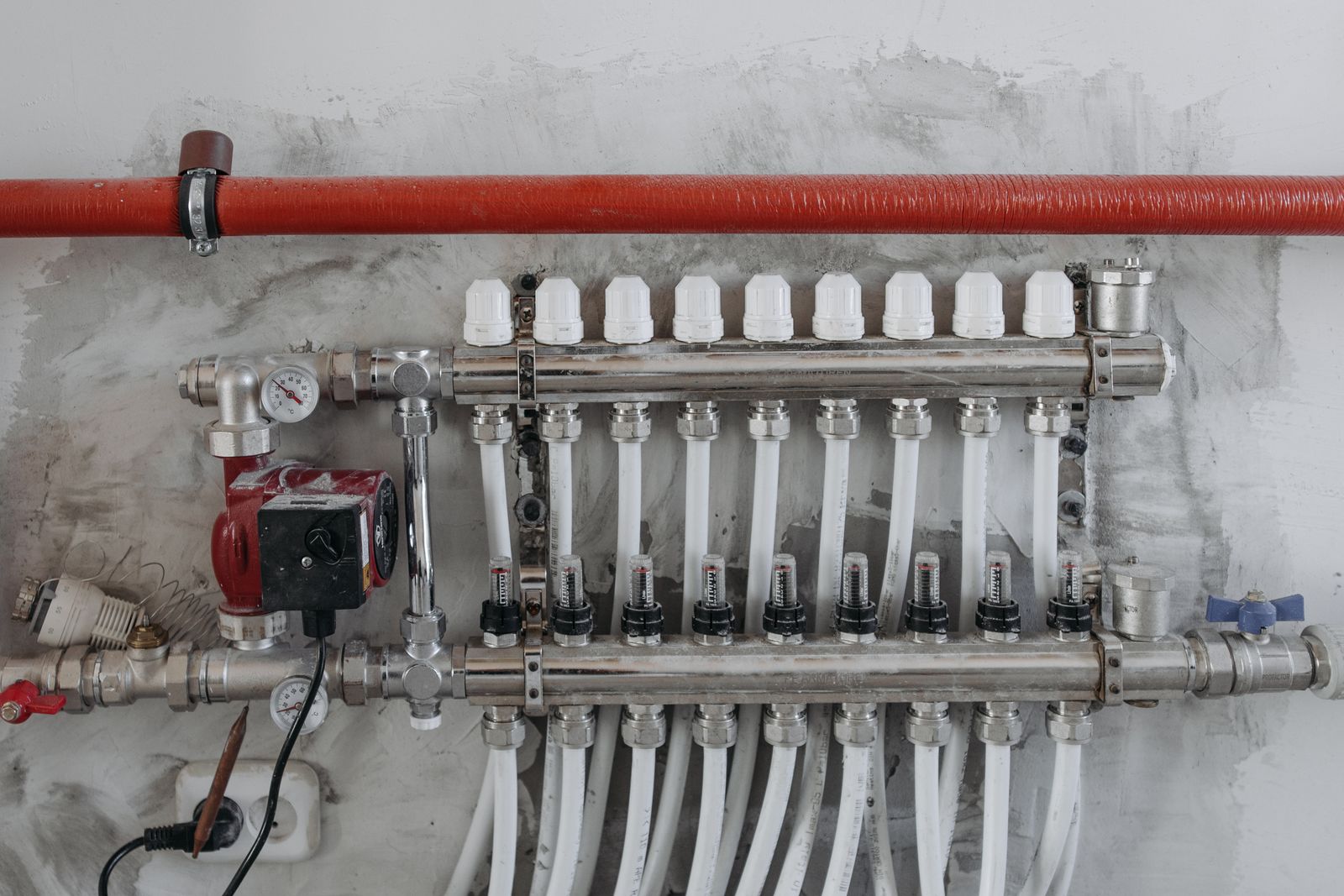
Plastic pipe laid on top of a rigid insulation layer, then screeded over. Connected to your boiler or heat pump through a manifold with zone control.

Electric UFH — the right call for bathrooms and kitchens

Thin electric mat under tiles or engineered wood. Ideal for small areas, renovations, or rooms where raising the floor level for wet UFH is not practical.

Heat loss calculated per room

Pipe spacing and flow temperature vary by room. We calculate heat loss for each zone and design pipe layout to match — tighter spacing near external walls.

Insulated below, insulated around

Most underfloor heating that disappoints does so because heat is escaping downward. We specify 100–150 mm of rigid PIR below pipes, plus edge strip to prevent thermal bridging.

How it works

  1. 1

    Survey and heat loss calculation

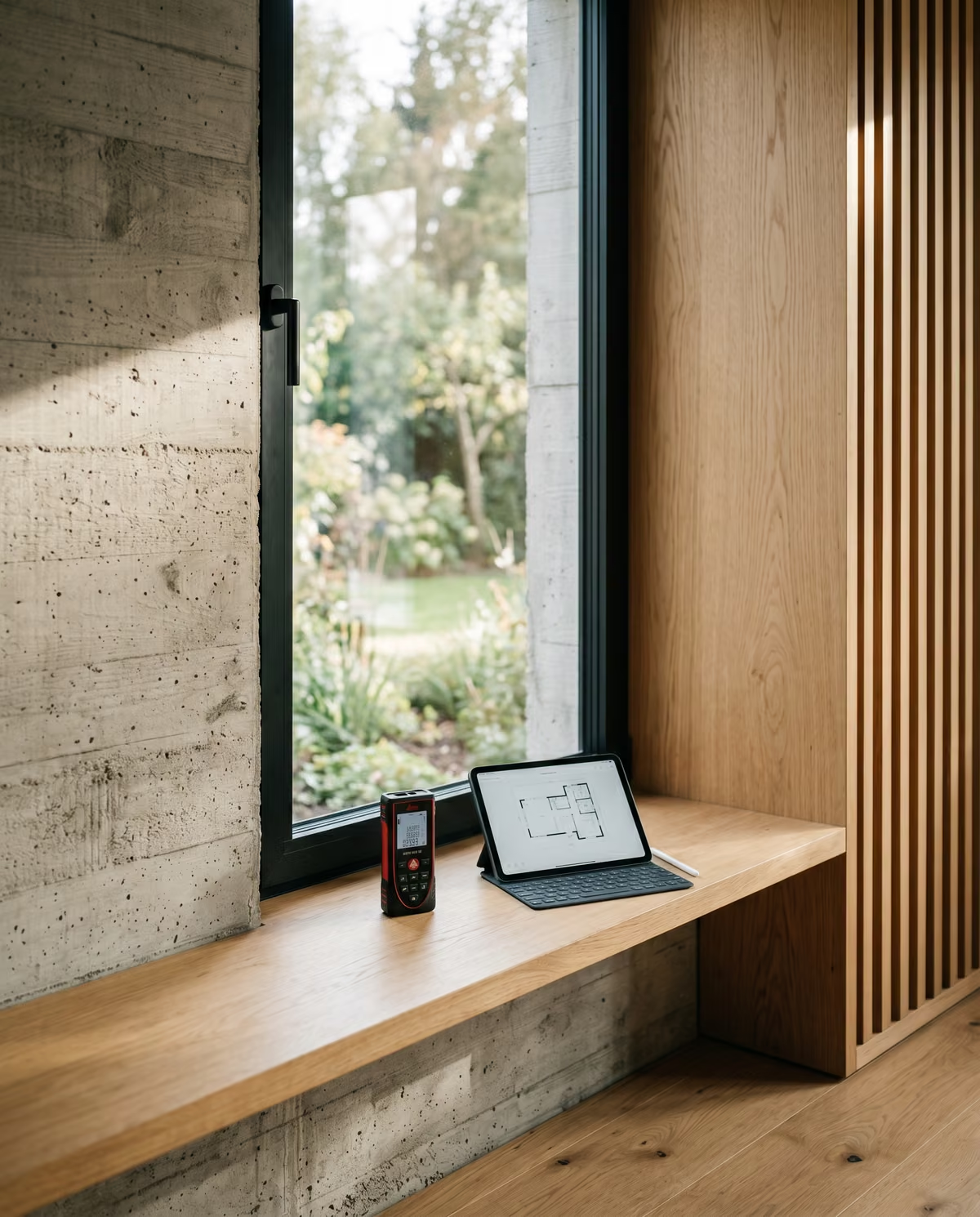
    Room dimensions, construction type, existing floor build-up, planned floor finish, heat source. We calculate heat loss and design pipe layout room by room.

  2. 2

    Design pack and quote

    Manifold location, zone breakdown, pipe layout drawings, insulation specification, and floor build-up diagram. Fixed price per zone.

  3. 3

    Installation

    Insulation layer, pipe laying, pipe fixing, pressure testing with air or water, and screed or dry overlay. Typically two to five days per zone depending on floor area.

  4. 4

    Commissioning

    Flow rates balanced at the manifold, controls paired, each zone tested with thermal imaging. Initial warm-up profile followed correctly so screeds cure properly.

  5. 5

    Handover

    Walk-through of controls, zone configuration, and how to use setback schedules to get the best efficiency. Fifty-year pipe warranty and five-year workmanship warranty.

Our signature honesty

Where we won’t fit it

Underfloor only makes sense where the floor is already being lifted — a new kitchen, extension, or ground-floor refurb. Retrofitting into an existing suspended floor you’re keeping is usually the wrong job. Low-profile overlays exist but add cost and compromise head height; we’ll quote them transparently but will say if a couple of well-placed radiators would do the same job for less. Rooms used briefly (home office, guest bedroom) respond poorly — a radiator is often a better fit. And thick carpet or solid hardwood flooring can block enough heat that performance drops below acceptable. We assess all of this at survey.

Key benefits

Ideal emitter for a heat pump

Underfloor operates at 35–45°C flow, exactly the temperature range where heat pumps are most efficient. Pairing gives the lowest running cost.

Walls back for furniture

No radiators eating wall space. In kitchens, bathrooms, open-plan living spaces, that is a significant gain.

Even, gentle warmth

No hot spots near the radiator and cold spots elsewhere. The floor temperature is typically 22–26°C — comfortable under bare feet, imperceptibly warm otherwise.

Zoned control = reduced running cost

Each room on its own thermostat, heated only when needed. Whole-house pattern heating is replaced with the rooms-you-use model.

The certifications behind this work

For this service specifically, we operate under the following industry accreditations. Each one has passed audit and is verifiable with the issuing body.

  • BPEC
  • WRAS
  • Manufacturer Approved
View all Smart Energie accreditations →

Frequently asked questions

Can I retrofit underfloor heating in an existing house?+

Yes — with caveats. Wet UFH needs around 100 mm of floor build-up (insulation, pipe, screed). That means either lifting existing floors or losing head height. Low-profile systems (15–30 mm) exist at higher cost. Electric UFH is easier to retrofit but costs more to run. We assess what is practical for your specific floor construction.

Is underfloor heating slow to respond?+

Screeded wet UFH takes two to four hours to reach temperature from cold, compared with fifteen minutes for a radiator. But it also holds heat for hours after switching off. Modern controls use weather compensation and setback schedules rather than on-off — so in daily use, responsiveness is not a limitation. For rooms used briefly and intermittently (home office, guest bedroom), a radiator is still a better choice.

What floor finish works best?+

Tile and stone conduct heat best — the floor feels warmest. Engineered wood works well up to a specified surface temperature. Carpet is fine with appropriate underlay (thermal resistance under 1.5 tog). Solid wood and thick carpet can block enough heat to compromise performance. We advise on finish choice during design.

How does underfloor heating compare to radiators for running cost?+

On a gas boiler, underfloor and radiators have similar running cost — the efficiency gain from low flow temperature is offset by the slower response. On a heat pump, underfloor can be 15–25% cheaper to run than radiators, because heat pumps run much more efficiently at 35°C than at 55°C.

Can I mix underfloor downstairs with radiators upstairs?+

Yes, and it is very common. A manifold with a mixing valve allows underfloor to run at a lower flow temperature than the upstairs radiator circuit. We design these blended systems regularly and they work well with both boilers and heat pumps.

Ready to talk about underfloor heating?

Book a free survey. A qualified engineer will visit, assess your property honestly, and send a written recommendation within five working days. No obligation.